Super Bowl LXROI

I am risking massive trademark issues by adding the ROI acronym to the Roman numerals representing the 2026 Super Bowl.

Hopefully, the event’s patrons, who likely generated something in the neighbourhood of US$600 million for the Bay Area, will forgive me.

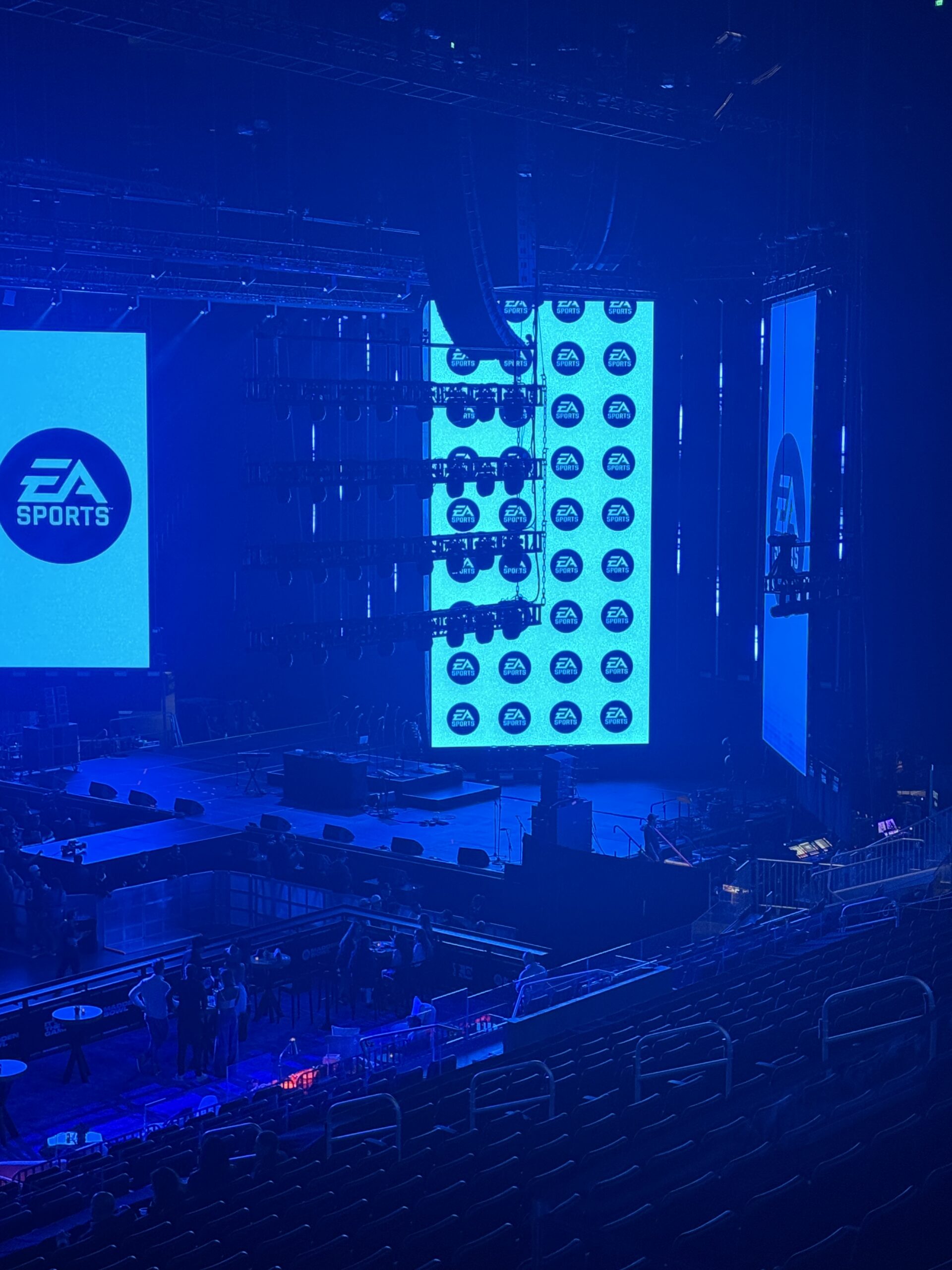
Whether you watched on TV, online, on social, inside Levi’s Stadium, or in a dive bar on 3rd Street as I did, you saw the big dollars at work. Touring San Francisco last week, you couldn’t move without seeing an Old Spice brand activation, a fleet of limos ushering VIPs, lineups for free consumer experiences, or guests flaunting multiple credentials from the many events they attended.

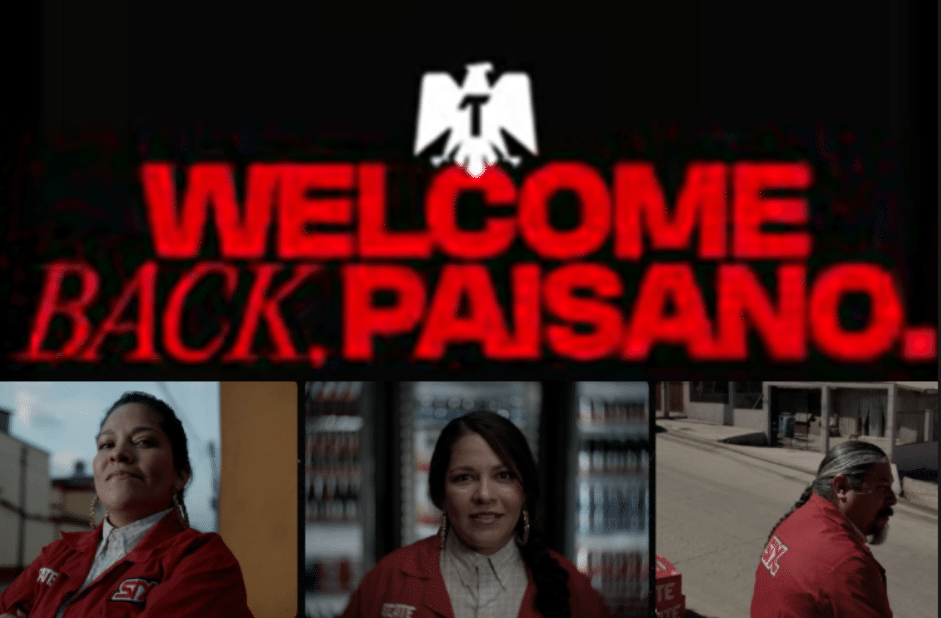
You also couldn’t avoid the endless fleet of Waymos. You know, the driverless taxis built on Jaguar vehicles, with more tech attached than a teenager’s bedroom. While I didn’t try one, there was no escaping them. They were the subject of countless photos, disbelieving gawks, and the occasional step back to the curb just in case. Given the number of first-timers I met, Waymo should be ecstatic, as this was the product demo weekend a brand can only dream of. Waymo won the ROI prize for the people mover.

One of the best parts of Super Bowl week is the passion of football fans. The game’s connection to Americans feels unwavering, and the international growth is phenomenal. I ran into two Canadians in San Francisco that I had randomly met years ago in Dublin for a Steelers–Vikings game. The excitement around future NFL international games (hello, Paris) and flag football in the LA28 Olympics is palpable. The league has done an impressive job building new platforms.

I would remind the league, host cities, and organizing committees not to forget the fans who can’t afford the VIP experiences during Super Bowl week. They are the ones paying the bills. As the platform continues to expand, accessible programming is critical. Keep the fire burning.

The Super Bowl is big business. So many official and unofficial partners show up to stage parties, events, meetings, and conferences. I attended several strong seminars, and one of my favourites focused on the behind-the-scenes work for major Super Bowl ads. Budweiser, Instacart, Pepsi, Toyota, Uber Eats, and Ritz shared their thinking and some key learnings. The most poignant takeaway: if you’re going to be in the Super Bowl, go big or stay home.

I also liked how brands such as Toyota and Michelob Ultra created campaigns that worked in the Super Bowl and across other major properties, including the Olympics. My favourites were Hellmann’s and “Meal Diamond,” both perfectly cast with Andy Samberg in the lead role. Unilever’s Jessica Grigoriou humbly acknowledged that while the team executed many elements well, including casting, they also benefited from cultural timing. The release of the film Song Sung Blue became part of the broader conversation, creating a zeitgeist-worthy setup for the campaign.

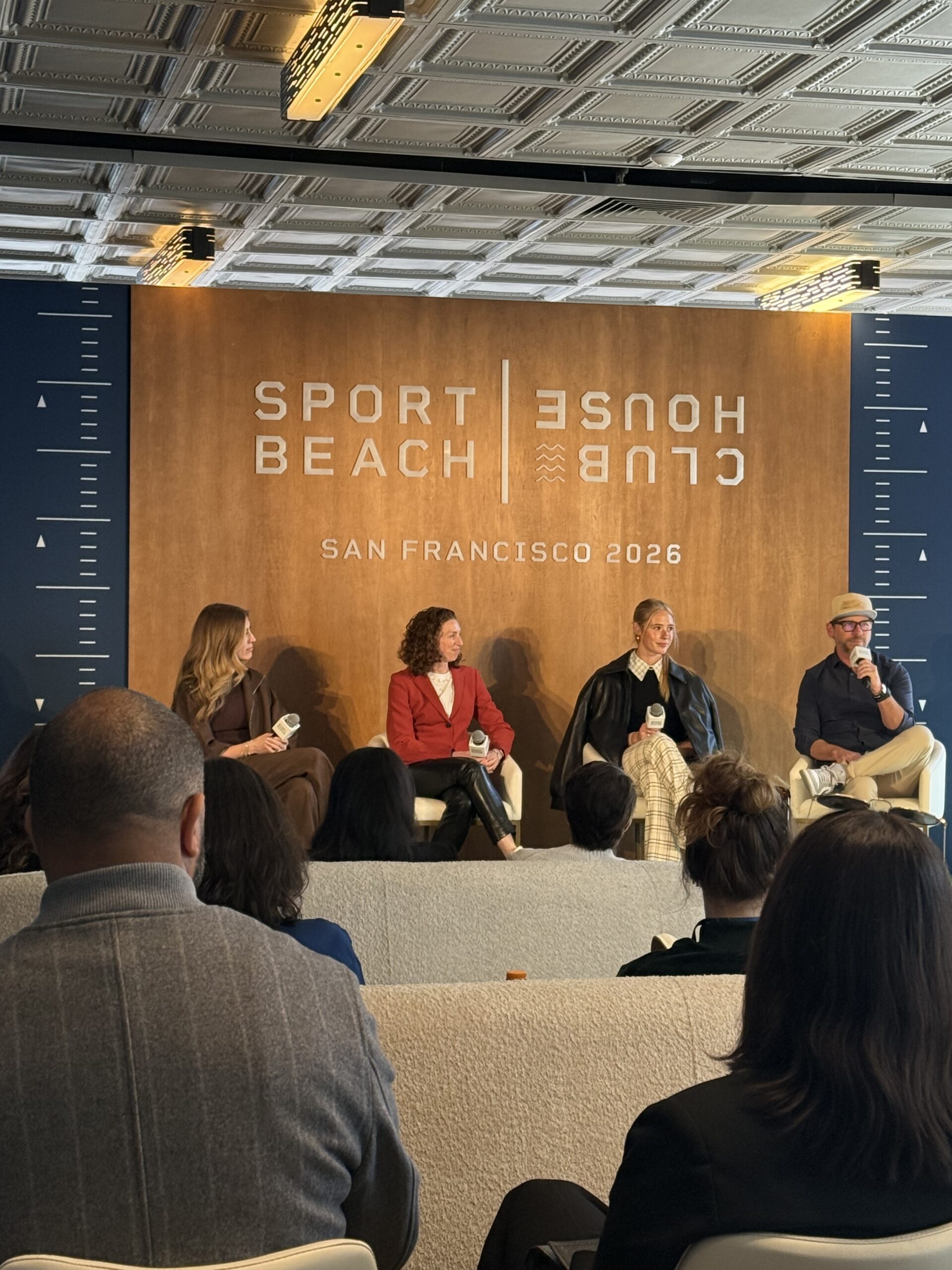
I have to hand it to the NFL for weaving purpose into as many aspects of the week as possible. The league’s CMO, Tim Ellis, spoke at the Sport Beach event about being an organization that opens its arms to everyone. That message came through clearly in the promotion of NFL Flag, celebrations of women in sport, and the staging of Culture Club. And then there was the Bad Bunny halftime show. Beyond being entertaining, it felt like what the world needed. The message of “Together we are America” and the closing reminder that “The only thing more powerful than hate is love” landed for many, and reflected a coordinated effort between the artist, the league, and the broadcast partners.

The ROI on LX was asombroso, in my view.

Thank-you, Benito. 

Keep Making Black History

In these early days of February, I want to share an immense moment of gratitude. 

My thanks and utmost respect go to the enterprises, organizations, and companies that are actively and earnestly supporting Black History Month. 

In an era where DEI has become a four-letter word in some circles, I am indebted to the organizations that are helping repel this onslaught of ignorance. 

Ironically, if you add Belonging, DEI does indeed become a four-letter word: DEIB. 

I should be cautious, as this war on DEI is not a laughing matter. 

In some instances, it is quite literally a matter of people dying for or because of. Here in Canada, where I live, I felt a retreat in support midway through 2023, and it kept gaining steam throughout 2024. I am sure the reader would expect me to inform her that 2025 was bad and early 2026 will only worsen. 

Gratefully, and quite frankly, surprisingly, that has not been the case despite the powerful opposition that has attempted to quash equity-pursuing entities. As powerful as the powers that be have been, their muscle did not cause a crash, but rather created an opposing force of equal, if not greater, magnitude. Where one group has attacked with force and fury, the intended victims and potentially injured have responded with savvy and strategy. 

I know there must be some law of physics here if only I had the intelligence to remember it. It is happening, though, right in front of my eyes. And yours. 

As a founder of a small social impact organization, I can tell you that the support from corporations we are receiving today is highly reminiscent of 2021, when companies were at their peak of support after George Floyd’s murder in 2020 murder. 

The support is gratifying. The form in which it is coming is even more so. This wave of collaboration is not just financial. It is functional. It is foundational. It is transformational. 

Companies contributing to the fight are looking for outcomes, sustainable deliverables that will manifest systemic results. This advanced approach to community support is not only good for society, but also good for organizations such as ours. This new approach pushes us to improve how we operate, serve our communities, and prioritize. These are not challenges; these are opportunities to learn, improve, and support. 

No doubt readers will push back to inform me they are not experiencing the same. I have no doubt. Rest assured, my comments are not rounded in research, though they are grounded in my experience. 

After five years of striving, pushing, delivering, and building, I am sure part of our positive experience is that people who make decisions in organizations trust us enough to challenge us and also fund us. This is not an exclusive position; there are many other impact groups in the same privileged strata. 

Those who aren’t there yet should keep the faith. Do what they do best. Believe in themselves and in these they meet. Listen closely to the noise the ground makes as you walk on it. It will tell you whether this is the path to follow. 

What’s Your Prediction?

Have you been caught up in the prediction market craze? If you haven’t yet, I predict you will be. I feel so confident that you will consider visiting a platform that I am going to buy an 80¢ contract. 

You may ask yourself, did the author just place an 80-cent bet? Technically no. Emotionally yes. 

An 80¢ contract on a prediction market indicates the odds that I expect for something to happen. Those odds could be on an election outcome, an album release date, a daily temperature high, or a sporting event outcome. On the opposite side of my 80 cents is someone with a 20¢ contract. If my prediction comes true, I win their 20 cents. If my prediction goes their way, they win my 80 cents. Hence, you can see that highly anticipated outcomes pay less than highly improbable outcomes. The only way for me to get paid is for someone on the other side of my prediction to be willing to take the opposite stance. The platform doesn’t fund either of our payouts; they focus entirely on facilitating the contract and taking a cut of the payout. 

Still, you may read this and push back, saying it just feels like betting to you. In a way, it is. In another way, it isn’t. 

The prediction market platforms won a major lawsuit in late 2024, arguing that, given the market dynamics and contractual nature of what they sell, prediction markets are just like the stock market. Now their activities have the approval of the Commodity Futures Trading Commission (CFTC). You have buyers and sellers who are willing to invest their money based on their expectations of an outcome. For a company, it is usually its ability to generate profits, pay dividends, drive innovation, or acquire assets such as customers and patents that will make it an attractive acquisition target at some point. 

The prediction market is a twist on this. The entities that are driving the payouts don’t receive any direct financial benefit from the contracts being exchanged. Unlike stock, which provides liquidity for a company to pursue its objectives, the subjects of prediction contracts are, like a sports team, the markers for the contract payout. But when you are making money on predicting the weather, who are you to pay? 

Still, it feels like betting, gambling, and gaming to me. Not surprisingly, some 80% of the action on prediction markets is around sports events. With the Super Bowl, the undisputed peak betting event of the year, approaching, you will see this percentage spike. This muckiness is causing all sorts of angst. 

Legitimate sports betting sites, regulatory bodies, and rights holders are feeling betrayed. They invested enormous sums of money, time, and energy, along with significant marketing, to participate in the legitimate betting market. Jurisdictions that feel they have control over betting are now being usurped by other bodies. Entities that have generated revenue streams from legitimate betting activities now feel their revenues will be threatened. 

Worst of all, prediction markets appear rife with insider trading, with bizarre bets placed just hours before military interventions, the passage of political bills, album releases, and more. I mean, if you know what time a tree is going to fall in the forest, and you can buy a contract to make money on that occurrence, isn’t that insider trading? How is this any different from knowing when a major company has an announcement to make before the public does? 

The intriguing aspect of prediction markets to me is the consumer behaviour at play. I am not the only one. Major news outlets such as CNN and CNBC have partnered with market-leading platforms, including Kashi. Polymarket and Coinbase have enabled crypto-based participation. Consumers on these platforms don’t just buy contracts; they vocalize their positions, argue for their perspectives, and research as many sources as possible to gain an edge. 

Perhaps in a twisted way, prediction markets could be the saviour that traditional journalism is searching for. If traditional outlets can provide more reliable information than less vetted sources, consumers who are winning and losing in prediction markets will be financially motivated to engage more consistently on these platforms. Perhaps, by osmosis, they will migrate from topics tied to their buying and selling to absorb less event-based content. 

There is also a pretty cool activation opportunity for brands looking to create new buzz around product launches, limited-edition products, format changes, revealing spokespeople, personnel changes, plant location announcements, and more. Gambling made the NFL what it is today. Long before it was legal in multiple markets, betting odds on games were among the most consumed content on sports pages. Fantasy football gave the sport an unimaginable jolt that no marketer could have predicted. Football is clearly being prioritized in prediction markets; take a look at any of their home pages.

Yet this new outlet seems primed for so much more. I don’t know the psychological reason humans love to predict; however, I know we do. Stuck for a conversation starter at a business lunch, roll out the question of who will be our next mayor, pope, sports champion, weather system, or winning AI platform, and you will have no problem filling the void until coffee is served. You could even debate, if not predict, how many coffee versus matcha drinkers are at the table.

Concerns about problem gambling will apply to prediction markets the same way they do to rampant sports betting. They should. Howvere there is a unique layer here that needs to be studied and dissected as consumers once again exhibit powerful behaviours driven by their passion and desire to earn a quick buck.

If I encourage you to check out a platform, you may be rightfully concerned that I have taken a position that you will. Rest assured, I haven’t, so go for it; there is a lot to take in. 

It’s my birthday today. 

I have long wanted to write a book about my birth. Not a book about me, but a book about being adopted, finding out later in life much about how that came to be, and the reams of people that I am shockingly related to. 

Today, instead of writing my memoir, I am reading Deland McCullough’s adoption story in Runs in the Family, his book with Sarah Spain. The book was a Christmas gift from a colleague, and I appreciated her taking the time to find something that hits on so many important themes to me—my own adoption. The sport of football. The feeling of belonging. 

Despite her thoughtfulness, I placed the book on my “get to it later” pile, which meant there were a couple of dozen books ahead of it in the queue. Take that as a sign that perhaps I read too slowly, or I buy too many books, or receive too many gifts. Chalk it up to a combination of all three, so 2026 needs to be a year when I consume a volume every week, despite my purported busyness.

A week ago, I was packing for a destination-birthday trip for a very dear friend. The fact that the journey started with her birthday and ended with mine is both coincidental and noteworthy. I am not a big birthday celebrator, and 2026 is no milestone for me, outside of the fact that we should celebrate being alive every single day. The more I thought about the bookends for the week, the more I realized that taking this book along with me to read was mandatory. Runs in the Family made the cut into my flight carry-on bag. 

At this point in my reading, next to a clear blue ocean, Deland is in Grade 10 and pouring himself into sports. He has endured endless turmoil caused by a parade of evil men allowed into his life by his well-meaning, love-seeking, judgment-lacking mother. According to the text, she loves Deland and his brother, Damon, as much as any mother could. However, violence, cheating, abandonment, hunger, criminality, and instability are the constants in the children’s lives. 

Fortunately for me, I had none of that in my childhood. In fact, it was the opposite; I feel guilty turning the pages of this book.

Despite the mass differences in our parallel existences from adoption to teenager, the storyline of questioning why I was abandoned, the mocking by other children for being adopted, as if it were my handicap or sin, and the refuge that the football field provided, are like staring in a mirror where both our lives are typed in the same font. 

Deland’s story is his, not mine. Its power, though, is the lens it gives me to hear it as a different focus on my background. His book and story have now redoubled, not only as a thoughtful Christmas gift, but also as an emotional birthday reflection. 

There is so much more than one more candle on my cake today.

MH3

PS: find the book here – https://www.simonandschuster.com/books/Runs-in-the-Family/Sarah-Spain/9781668036280

#2026

What are you seeing coming down the pipe in 2026? How many times have you been asked for your 2026 business predictions, for resolutions that business leaders should make, and for the top trends we are going to see?

Not an easy question to answer, especially after a year like 2025 that just exited. A year where the business impacts we anticipated were not nearly as harmful as we expected. A year where the human destruction caused by societal hate was even worse than we could have imagined. A year where the climate reminded us we haven’t seen the worst yet. A year where the rich get richer and those in need get needier. 

The backdrop of 2025 could provide us with some firm clues and direction for what will occur in the coming year. Why do I say could versus should? Perhaps I am taking a defensive stance rather than being bold, forthright, and making a few predictions? 

I am happy to be bold. However, I am not so delusional as to believe I could somehow make accurate predictions for 2026. Can anyone?

I will embrace a different type of boldness by suggesting, or even manifesting, what I would love to see 2026 bring to the business world, in particular, and society at large. Consider this my personal wish list for 2026 of my hoped-for priorities for enterprises, large and small, along with some areas for change. 

Given all the talk about AI and the broader arms race, I believe enterprises that wish to remain or become innovative should double down on team development. It is time to bring the classroom into the boardroom, the lunchroom, and the virtual meeting room. Distracted employees, worried about losing their jobs, are more harmful to an organization than no employees at all. As an employer, the arms race for talent who understands the difference between an agentic agent and a chatbot (is there any?) is going to be expensive and brutal. Why not invest in your own current talent pool? 

Related to the talk of AI, can we please ask major investors to look beyond the five leading AI-first startups, beyond the significant tech firms, and beyond the major AI players for all investment and purchasing decisions? Maybe one or two of these leading AI firms are going to be in it in the long run. Ever heard of the second-place search engine market share holder? Me either! There was a time when multiple search firms were battling for supremacy. Now, how many remain? The second, less obvious outcome is that somewhere out there are the hidden gems of AI firms that will create platforms that are useful, human, less harmful, and more democratic than what we are seeing today. Those platforms will be the tools your team wants to work on, the places your customers want to shop on, and the channels society intends to rely on. 

This is purposely a short wishlist. Perhaps my subconscious desire to be personally more focused in 2026 is creeping in. In addition to pitching business leaders to educate, upskill, and retrain their teams, all the while imploring them to look beyond the traditional tech bros for investment opportunities, I would encourage corporate leaders to double down on community building. Communities are powerful in ways no brand, business, policy, process, or campaign could ever be. 

Within an organization, communities of practice, interests, and mission can turbocharge project teams, innovation, employee satisfaction, belonging, and productivity. Externally, communities of collaborators, influencers, super fans, loyal customers, and commentators can virally amplify product launches, loyalty, trial conversion, and profitability. A corporation cannot force a community on its stakeholders. Still, it can create a welcoming environment that signals to advocates and adversaries that they are welcome to assemble, align with open-minded individuals, and share their collective voices. Your openness to their needs will influence transparency in their approach. 

Open and inviting communities will not only drive your business success but also repair a society that, frankly, needs repairing. Vitrol and violence are not enablers for successful business. NIMBYism is not good for city planning. Denial is not suitable for the hungry or homeless. Greed is not ideal for our planet. 

This three-part wishlist can easily fit on a recipe card, in a tweet, or as a morning mantra. Now is your opportunity to be an Educator, an Advocate, and a Champion. That sounds like an inspiring 2026 to me. 

Imagine If You Were January 2nd

Imagine for a moment that you took on the being of a day in the calendar. Image that day was January 2nd? What type of day would you be?

You might feel like the day that freshly minted resolutions quickly unravel and those promises of a week ago have become forgotten. You are not a legal, statutory or a commemorative holiday, at least not where you am from. You might even have to go back into work for hanging day like today. Friday January 2, 2026.

As a day January 2nd could be the ultimate forgotten child. The unexpected pregnancy. Oh look we have one more mouth to feed. The last person chosen for the team. Oh who brought Mark again to play? The too-eager student sentenced to a row near the back, but not all the way, who has an invisible hand based on teacher engagement. Oh no that nameless boy in the green sweater wants me to let him answer this next question.

It would take a rookie lawyer a scant few hours, even without leaning on technology, to build a solid case that unfortunately January 2nd is the most ill-treated day of the year. January 2nd brings us no excitement of holidays to come, it has no traditions of its own, and worst of all it is really good at telling us that the fantasy of new year transformation now has to become reality fuelled by more than the flip of a calendar.

If you were January 2nd would you look at January 1st with envy or contempt? What about December 31st? How do the other days of the holiday shape up in your eyes? Overhyped you say. False bottoms you ponder. Big hat, no cattle you sneer. How come those days garner multitudes more attention and interest than you just because they have a moniker to go with their numerics. Is January 1st really the sole day of the New Year? That’s how it probably reads to you.

As January 2nd you deserve more love than you are going to receive. Like Boxing Day, if you observe Christmas, is the day for retail value as the prices are always better, is the day for the first round of leftovers which always taste better, is the day to truly relax as the relative roulette leading into it can never provide.

Think of the advantages you have as January 2nd over Boxing Day. No door crashing lines. Almost every store and service is open. You may even be able to see your doctor or dentist. You don’t have a list to check twice. You have zero worries if the turkey is cooked long enough, I mean everyone would have vomited by now if it wasn’t. You are a treasure.

We should applaud you January 2nd, as you proceed without fanfare. You are getting us one day closer to back to school, work, or perhaps our first vacation of the year if we are so privileged. You put zero expectations on us and we on you. You are the first day of peacefulness and perhaps you are the first day of our new fitness, spiritual, personal habits that we pledged to deploy.

January 2nd you are an egoless bridge to what’s ahead, without distracting us from behind.

Truth be told you are also getting us closer to our next holiday, whatever that may be. But now that we have gotten to know you, perhaps we will get to know the other forgotten days of the year and recognize that everyone, like you January 2nd, are just as important as the first and last.

The Year of the Elbow

What would you have imagined this year would look like if I had told you on January 1st, 2025, the following? That HBC would go bankrupt, AI would attract half of all venture capital globally, Donald Trump would declare Canada the 51st state and issue punishing tariffs for various unknown reasons, including a false narrative about fentanyl supply coming in from our borders. That the last place Toronto Blue Jays would come within a shoelace of becoming World Series champions? Oh, and that Chrystia Freeland’s December 2024 resignation as Finance Minister would trigger the end of Justin Trudeau’s political career?

Would you have imagined the Liberals winning the federal election and Trudeau winning Katy Perry’s heart? Would you have imagined a major « Buy Canadian » push that transformed brands and marketing, with slogans such as ” Elbows up ” and consumer boycotts on everything from travelling to Las Vegas to drinking Kentucky bourbon? Would you have anticipated that Canada’s unemployment rate would decline to a 16-month low of 6.5% at year-end?

I would not have imagined that compiling this list of challenges at the beginning of 2025 would unfold as it has. The emotional state of business leaders, employees, and investors at the start of the year was fragile, if not panicked, potentially comparable to the wave of concerns triggered by the pandemic in 2020. Yet somehow, as a business and society, we survived and even thrived. How come? All the data pointed to a Conservative election victory, financial doom and gloom across Canada, mass layoffs due to AI, and the Yankees pummeling the Blue Jays at every opportunity.

None of those things occurred to the extent we imagined. Like the Blue Jays, who turned the tables on the hated Yankees, Canada decided that teamwork was the way to battle back against headline-grabbing individuals, fearsomely overwhelming technologies, and the loss of the first company incorporated in Canada. We even elected a “CEO” instead of a Prime Minister.

In short, narrative defeated the numbers. When challenges arose, Canadian businesses, politicians, the government, and the media responded with patriotic messaging, reassuring mantras, and powerful storytelling. For those who study the theoretical aspects of marketing communication, this was a banner year for research. Problems once thought impossible were solved with words, not economic weapons or policy changes. Ultimately, the leaders who convinced the public they were best suited to the challenge, the brands that convinced the public they were best suited to provide a means of pushing back, and the institutions that convinced the public they had their elbows up all prevailed.

It resulted in new collaborations among businesses, new alignments among governing bodies, and a new level of confidence in our country than ever before. If ever there was a case study for the power of belief, this year was it. This was a case study in mindset, buy-in, and belonging that all leaders should study and try to implement. It is when humans face the most significant challenges that they rally around messaging that encourages them to band together, resist, and overcome.

Our resilience may be short-lived, and in the long term, the slowdown in investment may have a more significant impact on our economy than I currently realize. That much I will admit. However, you can’t argue with the thesis that 2025 was not the short-term disaster many predicted, and there is much we can learn that should provide a script for the next year and reassurance to our mindset heading into 2026.

The next chapter of this story is about to be told.

Giving as an Economic Driver

Today, in more than 90 countries around the world, it is Giving Tuesday. This is the day when individuals, companies, foundations and governments are invited to give to the charities that matter most in their lives.

Giving Tuesday began in 2012 at New York’s 92nd Street Y in partnership with the United Nations Foundation. The idea was simple. After a weekend driven by Black Friday and Cyber Monday, there should be one day dedicated to generosity rather than consumption. What started as a small project has become a global movement spanning multiple national networks.

In 2024, the scale of giving was significant. In the United States, donors contributed an estimated 3.6 billion dollars in one day. In Canada, at least $16.2 million was donated through CanadaHelps alone, with estimates ranging from $25 to $40 million through other platforms to charities participating in Giving Tuesday. Many Canadians give directly to charities through workplace campaigns, online platforms, or in response to community and cultural appeals.

The money matters, but so do the issues of visibility. Giving Tuesday is one of the best moments each year for charities to speak powerfully about the challenges they face. Food banks across the country talk about record demand. Mental health organizations describe the volume of young people in crisis. Indigenous-led charities highlight gaps in education outcomes and access. Giving Tuesday provides an incredible platform for the public to see the human side of the work. It is not only fundraising. It is storytelling about the realities Canadians live with.

At a charity board meeting last week, someone said Giving Tuesday feels too noisy. I understand the concern. The inbox fills quickly. But I also think of the retail world. During Black Friday, no television brand says it should avoid advertising because every other brand is also on sale. They join the moment. They lean in. If we believe charities are essential parts of our communities, then it makes sense for them to be part of the one day each year when attention is already focused on giving, community and impact.

Giving Tuesday should be a signal for us also to consider the economic impact of the charitable sector. In Canada, non-profit and philanthropic organizations generate more than $ 216 billion in economic activity. They represent more than 8 percent of our GDP. They employ more than 2.7 million people. That makes the sector larger than manufacturing. Larger than mining, oil, and gas. Larger than agriculture. Larger than finance and insurance. In other words, this is not a side story. This is part of the country’s economic backbone.

In the face of economic headwinds, tariffs, and low productivity, is there not a lesson here for Canadian business and government? Is there a hidden opportunity that is easy for Canada to exploit that could contribute substantially to our need fr a national economic turnaround? The idea of such a game plan does not seem far-fetched when you examine international case studies. 

Other countries have already recognized the importance of this sector. In the United Kingdom, government policy connects civil society directly to long-term economic planning. The Civil Society Strategy guides public procurement and service delivery. The Dormant Assets Scheme has released hundreds of millions of pounds into social and community projects. That capital helped build a social impact investment market that now exceeds 9 billion pounds. A Civil Society Covenant and a soon-to-be-launched Office for the Impact Economy make it clear that charities and social enterprises are partners in national renewal.

New Zealand offers a similar example. Programs such as The Impact Initiative help social enterprises build capacity, measure impact and access capital. The government’s Social Investment Fund directs money to innovative community-based programs run by non-government organizations and tracks long-term outcomes. New Zealand already relies on non-profits to deliver billions in social services. Now it is using dedicated funds to test new solutions and scale those that work.

Canada is building some of this infrastructure too. The MaRS Centre for Impact Investing helped create SVX, a regulated impact-investing platform that matches investors with charities and social-purpose enterprises seeking both financial and social returns. The federal government’s $755 million Social Finance Fund is designed to help charities and non-profits grow in areas such as affordable housing, skills development, climate solutions and community economic development. Social Capital Partners has shown that employee ownership models can build stability and community wealth, most recently by supporting the B.C.-based Taproot’s transition to a worker-owned structure, with hundreds of employee owners.

Globally, many companies invest in social purpose not only because it is the right thing to do but because it supports business outcomes. Unilever works with WaterAid to improve sanitation, which strengthens public health and the markets where it operates. The Mastercard Foundation invests heavily in youth employment and financial inclusion across Africa, building future customer bases and stronger economies. Santander’s Prospera program in Brazil has delivered more than 28 billion reais in microloans to more than 2.8 million entrepreneurs. Most are women. The program combines credit with financial coaching and neighbourhood-based support. It strengthens households, creates economic mobility, and builds long-term banking relationships.

Economists have tried to measure the impact of charitable investments. In early childhood programs, every dollar invested can yield between four and sixteen dollars in long-term savings and productivity gains. In global vaccination programs, every dollar invested can generate up to 44 dollars in economic and social benefits. Microfinance programs in Latin America and Africa often lead to increases of 8 to 12 times in community income. These ranges vary, but the principle is clear. When charities and social purpose organizations are well supported, they create economic value that multiplies far beyond the original investment.

In the United States, overall charitable giving remains high, but many nonprofits report shrinking or stagnant government funding for social programs. Pressure is rising on charities to fill gaps in food, housing and health support. It is not a full retreat by the government but a shift in responsibility. For a country like Canada, which relies heavily on charities to deliver social services, this trend is worth watching closely.

Which brings me back to Giving Tuesday. If you are a business leader, a marketer, or anyone concerned with long-term stability, consider how the charitable sector fits into your strategy. A strong philanthropic sector supports stable communities. Stable communities support stronger workforces. Stronger workforces and healthier communities create better markets, more reliable customers and less strain on public systems. Supporting charities is not only an act of goodwill. It can be part of a long-term economic and social strategy.

Giving Tuesday is a reminder that generosity and prosperity are connected. When we invest in charities, we invest in the conditions that allow our communities, our companies and our country to flourish. It is a Tuesday worth paying attention to.

PS – If you need a charity to support, check out one I co-founded to remove barriers to education – https://the-park-street-education-fund.raiselysite.com/

Everyone’s a Changemaker

Bill Drayton, the man who coined the term Changemaker, also coined the expression “Everyone’s a Changemaker”.

If Drayton had attended the SponsorshipX Changemakers Summit in Toronto last week, what he would have seen is that everyone wants to be a Changemaker. Some are there, and others are on their way.

At the Summit, over 200 attendees and some four dozen panellists, speakers, and session leaders connected in small groups, plenary sessions, on the soccer pitch, in networking lounges, and even in a nightclub to assemble the energy needed to be an entrepreneur, innovator, advocate, collaborator, and Changemaker.

Our North Star was Diana Matheson, the amazing co-founder of the Northern Super League, whom we watched in The Pitch documentary, listened to at our NSL Presidents Brunch, and applauded when she presented, for the very first time, her namesake trophy to the NSL Champion Vancouver Rise.

We need more Diana Mathesons. We need more summit alumni. We need more changemakers. This era of precarity, where people feel challenged and just one stumble away from losing their security, is not going to be solved by the establishment, our governments, or profit-obsessed corporations.

It will be solved by leaders who emerge from every corner of the planet. Leaders who are driven to obsession by the challenges of today, Leaders who will take on problems as their purpose, Leaders who will passionately recruit others to their cause. Leaders who will build resilient structures to do battle.

Leaders who will ensure that their own physical, mental, emotional, relational and intellectual capacity is constantly being pushed so they can serve even more strongly.

There is a Changemaker in all of us. Whether you were at our Summit, know someone who was, or watched from afar, I invite the Changemaker in You to the battleground.

We need you.

Pigskin Diplomacy in Dublin

Every NFL Team Should Play One Game a Year Overseas

The National Football League has a unique opportunity to be the global envoy that the United States surely needs right now. Evidently, American Ryder Cup fans aren’t interested in taking that mantle on. 

During my weekend trip to see the Steelers down the Vikings at Croke Park in Dublin, this shocking contrast was stronger than a freshly poured Guinness.

To clarify, if you don’t know me, I am a sharp-elbowed Canadian. During my trip, I was quick to correct every person who assumed I was from south of the border. Immediately, the conversation with whomever I was talking to went one of three ways. 

If the person I met was American, they usually jumped into a quick apology and told me how much they love Canada and Canadians. A few of them whipped out a story about visiting a festival in Montreal, underage drinking somewhere along a border town, or how clean Toronto is. Next, they grilled me on why I was a Steelers fan and were shocked when they found out how many times I have been to Pittsburgh. 

If the person I met was European, they simultaneously breathed a sigh of relief and then proceeded to grill me on why the American golf fans were so mean to their Ryder Cup team. That was usually followed by a series of comments about the red, white, and blue country that are unfit for print. 

If the person was Irish, they then told me more stories than I could count about their heritage, their education system, current economic stability and why I should return to see a Hurling or a Gaelic football match. Most of the Irish were amazing, save for the cabby who almost ran us over and then jumped out of his car to threaten us all with death by fist after we yelled at him about our near-death by bumper. Oh, and the jerks who jumped the Steelers’ backup QB and sent him briefly to the hospital weren’t so nice either. 

However, in equal proportions, the NFL pulled out all the stops to stage a Super Bowl-like spectacle (minus the outrageous ticket prices), and the Irish opened their doors to visitors from around the world, similar to hosts of a World Cup match. 

Therein lies the opportunity for the NFL. This year, the league is staging seven international games, including Madrid, Dublin, São Paulo, and Why stop at seven? Why not sixteen? Especially while the league has this odd-numbered season of seventeen games. 

Imagine if every fan base had one international game each season. The business reasons are apparent, as these events would increase international fans, sponsors, and media exposure. Yes, there is a significant cost for the fan, but these games feel special, and it would give every team its own Super Bowl to attend. 

Beyond the business benefits and the delighting of fans, these events have a diplomatic window. 

Americans tend to travel abroad less. Nearly three-quarters of Canadians hold passports; for American adults, it is less than half. Going to these countries would allow more Americans to understand new cultures and diverse perspectives. Similarly, these events enable host citizens to make lifelong connections with Americans. Perhaps at future Ryder Cups, the Americans who have been to Northern Ireland may think differently about throwing a beer at the wife of the star golfer from that country. 

I am not the first person to suggest that sport can reap international diplomacy benefits. I am also not the first to admit that sport only goes so far in creating global harmony. That said, this isn’t a sport I am suggesting here, but instead the NFL sharing one of their most excellent American products, tackle football, with a world eager to be amazed by this exciting game, its massive stardom, and its engaging experiences.